

Cultivating Gut Health: The Synergy of Prebiotics and Probiotics
Gut health is fast becoming a central theme in the realm of wellness and nutrition, and for good reason. Often referred to as the "second brain," our gut plays a pivotal role in maintaining our overall health and well-being. Beyond digestion, it influences our immune system, manages inflammation, and even has the power to shape our mood and cognitive function.
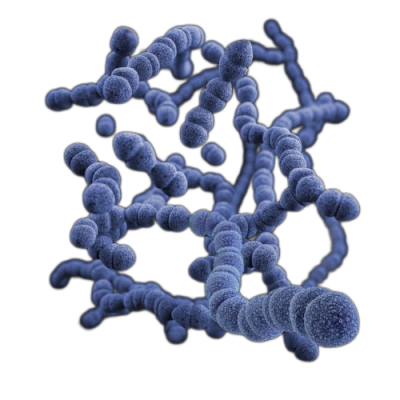 This intricate ecosystem revolves around the gut microbiota, comprised of trillions of microorganisms like bacteria, viruses, and fungi. This unique microbial community varies from person to person, influenced by genetics, diet, environment, and lifestyle. In fostering a healthy gut, prebiotics and probiotics, often working hand in hand, play vital roles. In this article, we will explore the fascinating world of gut health, shedding light on the incredible benefits of both prebiotics and probiotics in nurturing your gut and, by extension, your overall health.
Understanding Gut Health
 The human gut, a dynamic environment within our digestive tract, hosts a diverse microbiota. This community of microorganisms is a collaborative assembly with each member serving a unique function. The key functions of a healthy gut microbiota include:
- Digestion: Gut bacteria aid in breaking down food and facilitating nutrient absorption for the body's use.
- Immune Support: A significant portion of our immune system resides in the gut. A balanced microbiota regulates immune responses, safeguarding against harmful invaders.
- Metabolism: The gut microbiota plays a pivotal role in regulating metabolism, impacting weight management.
- Mood and Brain Health: A burgeoning body of research highlights the profound connection between gut health and mental well-being through the gut-brain axis.
- Inflammation Control: An imbalanced gut microbiota can lead to chronic inflammation, underpinning various diseases, including autoimmune disorders and metabolic conditions.
The Role of Prebiotics
Prebiotics are indigestible fibers found in certain foods that serve as a nourishing source for beneficial gut bacteria. While probiotics introduce live beneficial bacteria into the gut, prebiotics support and invigorate the existing good bacteria, promoting their growth and proliferation. Essentially, prebiotics act as the fertilizer for your gut garden, fostering the growth of a healthy microbial community.
 Common sources of prebiotics include:
- Fruits and Vegetables: Foods such as bananas, onions, garlic, leeks, asparagus, and artichokes are rich in prebiotic fibers.
- Whole Grains: Oats, barley, and whole wheat contain prebiotic fibers that promote gut health.
- Legumes: Lentils, chickpeas, and beans offer excellent sources of prebiotics.
- Nuts and Seeds: Almonds, flaxseeds, and chia seeds are prebiotic-rich options.
Benefits of Prebiotics for Gut Health
- Enhanced Digestion: Prebiotics foster digestive health by promoting the growth of beneficial bacteria, facilitating food breakdown and nutrient absorption.
- Fortified Immune Function: A balanced microbiota, supported by prebiotics, helps regulate the immune system, boosting its defense against infections.
- Inflammation Mitigation: Prebiotics help maintain a harmonious microbiota, reducing the risk of chronic inflammation and its associated diseases.
- Weight Management: Some studies suggest that prebiotics may assist in weight loss by influencing metabolism and appetite regulation.
- Mood and Mental Health: Emerging research underscores the link between gut health and mental well-being, with prebiotics contributing to a healthy gut-brain axis.
The Role of Probiotics
 Probiotics, unlike prebiotics, are live beneficial bacteria found in certain foods or supplements. These friendly microorganisms, when ingested, can directly contribute to the diversity and balance of your gut microbiota. Probiotics are available in various strains, each potentially conferring unique health benefits.
Common sources of probiotics include:
- Yogurt: Many yogurt products contain live probiotic cultures, such as Lactobacillus and Bifidobacterium strains.
- Fermented Foods: Foods like kimchi, sauerkraut, kefir, and kombucha are rich in diverse probiotic strains.
- Supplements: Probiotic supplements are widely available, offering a convenient way to introduce specific probiotic strains into your diet.
Benefits of Probiotics for Gut Health
- Restored Microbial Balance: Probiotics introduce beneficial bacteria into the gut, helping to reestablish and maintain a balanced microbiota.
- Digestive Harmony: Certain probiotic strains can alleviate digestive issues such as diarrhea, irritable bowel syndrome (IBS), and constipation.
- Immune Support: Probiotics can enhance immune responses by fostering the growth of beneficial bacteria.
- Inflammation Control: Some probiotics may have anti-inflammatory properties, aiding in the management of inflammatory conditions.
- Mood and Mental Health: Probiotics can indirectly influence mental well-being through their impact on the gut-brain axis.
The Symbiosis of Prebiotics and Probiotics
To optimize your gut health, consider the synergistic effects of prebiotics and probiotics. While prebiotics nourish and sustain your existing beneficial bacteria, probiotics introduce new reinforcements. Together, they can help create a resilient, diverse, and well-balanced gut microbiota, promoting overall health and well-being.
Conclusion
 In your pursuit of health and vitality, never underestimate the pivotal role of your gut. This complex ecosystem, governed by the gut microbiota, significantly influences your digestion, immune function, metabolism, mood, and inflammatory responses. Prebiotics and probiotics are your allies in this endeavor, offering complementary benefits that can bolster your gut health.
By incorporating prebiotic-rich foods into your diet and considering probiotic supplementation, you can create an optimal environment for your gut microbiota to flourish. Remember, a vibrant gut is the cornerstone of a vibrant life, offering not just physical well-being but also the potential for enhanced mental and emotional health.